Skip to content

Impact

Image credits: Regional Directorate of State Forests in Poznań

The 2014–2021 funding period delivered measurable improvements across 23 programme areas in 15 Beneficiary States, with more than 6,600 projects implemented. The Grants helped countries strengthen key public services, reduce inequalities and support long-term economic, social and environmental resilience.

From objectives to results

Across the 2014–2021 period, the EEA and Norway Grants supported a wide range of programme areas designed to strengthen social and economic cohesion in Europe. Investments advanced innovation, research and education; improved social inclusion and local development; enhanced justice and security systems; and supported more sustainable approaches to energy and the environment. Together, these programme areas helped countries modernise public services, reduce inequalities and build institutions better equipped to respond to emerging challenges.

The programme areas also provided space for testing new models, piloting solutions and strengthening the skills and capacity of public authorities, civil society organisations and communities. Many initiatives focused on improving access to essential services, expanding opportunities for vulnerable groups, and promoting fair and decent working conditions. Others supported climate adaptation, renewable energy, risk management and more efficient public administration.

Bilateral cooperation with Iceland, Liechtenstein and Norway added an important dimension across most programme areas, bringing in expertise, fostering peer learning and supporting long‑term partnerships. This cooperation, together with strong national ownership, helped ensure that results from programme areas were relevant, transferable and anchored in European standards.

Image credits: Aleksandra Osak

The following sections outline each programme area in more detail, highlighting their objectives, key achievements and examples of how the Grants contributed to long‑term improvements across Europe.

Business Development, Innovation and SMEs

The Business Development, Innovation and SMEs programme area aimed to increase value creation and promote sustainable economic growth in Beneficiary States. It supported innovation, entrepreneurship and competitiveness, with a strong focus on small and medium-sized enterprises (SMEs). By investing in innovative technologies, processes and services, the programme area helped businesses develop new products, improve productivity, and bring new solutions to the market, while strengthening the link between research, innovation and business development.

The programme area placed particular emphasis on green industry innovation, sustainable business development and environmentally friendly solutions, including energy efficiency, resource efficiency and low-emission technologies. Support for blue growth, welfare technology and digital solutions contributed to smart and inclusive growth, while targeted measures promoted entrepreneurship, including among young and female entrepreneurs. Through bilateral partnerships with the Donor States and the use of grants, the programme area strengthened business cooperation, competitiveness and job creation, contributing to broader European objectives under the Europe 2020 and Horizon 2020 strategies for smart, sustainable and inclusive growth.

Image credits: LIAA Norwegian Financial Mechanism Department
Indicator / Programme Total result
Number of new products/technologies developed 424
Number of SMEs supported 2,799
Share of Donor business partnerships that continue after project implementation period 59%

Project example

Image credits: Adobe Stock
Find out more

Green innovation for heavy-duty vehicles in Latvia

The ArtuPower project in Latvia developed a dual fuel retrofit system that replaces up to 70% of diesel with water vapour and renewable gases. This innovation significantly cuts emissions—by up to 56% for greenhouse gases and potentially 80% overall—offering a practical pathway towards cleaner heavy‑duty transport.

Research

The Research programme area sought to advance research-based knowledge development in the Beneficiary States by strengthening research capacity, fostering research excellence and promoting international cooperation. Implemented across seven Beneficiary States, the programme area funded bilateral research projects in basic and applied research, encouraged interdisciplinary research, and strengthened societal relevance. In doing so, it enhanced the Beneficiary States' capacity to participate in the European Framework Programme for Research and Innovation and contributed to the further development of the European Research Area.

The programme area placed a strong emphasis on capacity building, including support for early-stage researchers and targeted measures addressing gender imbalance in science. It also promoted capacity building within research administration, for example, by advancing open science practices and encouraging transparent, collaborative sharing of research results and data. Through these efforts, the programme area aimed to improve research quality, knowledge transfer, and Beneficiary States' ability to address societal challenges and contribute to Europe's long-term growth and innovation objectives.

Image credits: Pharmarine
Indicator / Programme Total result
Number of joint applications for further funding 201
Number of peer-reviewed scientific publications submitted 1,386
Number of researchers supported 5,085

Project example

Image credits: Pharmarine
Find out more

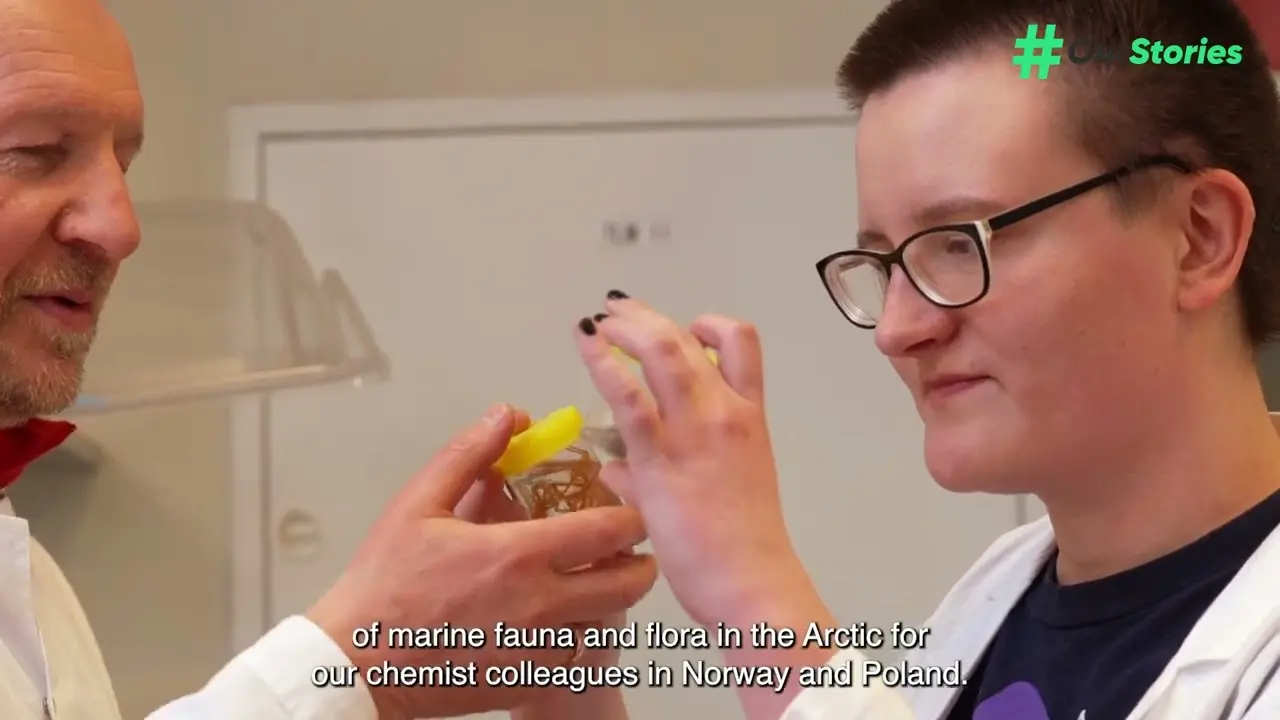
Pharmarine: Mapping human pharmaceuticals in the Arctic waters

The Pharmarine project investigated how human pharmaceuticals reached and circulated in Arctic waters. Polish and Norwegian scientists tracked drug residues carried by ocean currents, analysed their concentrations in water and organisms, and assessed potential ecosystem impacts. Their research provided essential data to inform future environmental regulations and protection measures.

Pharmarine: Mapping human pharmaceuticals in the Arctic waters

By clicking play, you agree to load content from YouTube. This may allow YouTube to collect data about your visit.

Education, Scholarships, Apprenticeships and Youth Entrepreneurship

The Education, Scholarships, Apprenticeships and Youth Entrepreneurship programme area aimed to enhance human capital and strengthen the knowledge base in Beneficiary States. It supported enhanced quality and relevance of education and training at all levels, promoted student and staff mobility in higher education, and advanced the professional development of teachers and trainers. The programme area fostered inclusive education, including targeted measures for Roma children, and supported the development of innovative civic education methods. By investing in institutional partnerships, vocational education and training, and apprenticeships, the programme area helped young people acquire the skills needed for growth and employment, while reinforcing the link between education and the world of work.

Bilateral cooperation with Donor States led to a productive exchange of knowledge and best practices, as well as the development of innovative approaches in education and training. Through these efforts, the programme area contributed to broader European objectives, such as the Europe 2020 targets for higher education attainment, mobility, early school-leaving, and employment of graduates, thereby supporting sustainable growth, social inclusion and the development of intercultural competencies.

Image credits: Tartu University
Indicator / Programme Total result
Number of institutions applying new civic education methods 70
Number of professional staff trained 6,165
Number of Roma reached by empowerment measures 6,756

Programme example

Image credits: The Czech National Agency for International Education and Research (DZS)

Czech Education Programme

The Czech Education Programme strengthened the quality and inclusiveness of education by supporting cooperation between Czech schools and partners in Iceland, Liechtenstein and Norway. Across the programme, 107 projects were implemented, involving institutions from kindergartens to universities.

A central focus was improving inclusion in schools, with outstanding results in training teachers to support disadvantaged pupils. Through a series of targeted projects, 384 teachers were trained in inclusive methods—almost 10 times the original target—and these improved skills benefitted nearly 17,000 pupils, including about 4,600 Roma children. Schools received mentoring and practical tools to help them meet the needs of socially or culturally disadvantaged learners. One major initiative supported teachers working with Roma children and children from low-income families. Working with experts from Iceland, Norway and Liechtenstein, participating schools strengthened their understanding of inclusive practices, and two professional publications were produced to help other schools apply the same methods. More than 84% of participating teachers reported improved competence.

Another notable achievement was the programme's success in widening access to international learning opportunities. Mobility projects allowed 563 pupils and students and 311 staff to study, train or teach abroad. For 87% of secondary pupils, this was their first experience abroad, made possible thanks to support from the EEA Grants. Participants reported increased confidence, stronger language skills and greater openness to other cultures.

Donor-state partnerships with Iceland, Liechtenstein and Norway strengthened project quality and expertise, with Liechtenstein institutions actively contributing to mobility, capacity building and long-term cooperation across participating schools.

The programme also stood out for its excellent communication efforts. The booklet "The Path to Quality Education" showcased project stories and results in an accessible way and became a flagship publication for sharing the programme's achievements.

Together, these results show how international cooperation, inclusive teaching and widened access to mobility can strengthen education systems and create new opportunities for learners across Czechia.

Work-life Balance

The Work-life Balance programme area aimed to improve work-life balance and promote gender equality in Beneficiary States. The programme area addressed persistent challenges in the Beneficiary States, such as gender disparities in the labour market, lack of women's participation in decision-making, and violence prevention. Through innovative measures and strategic partnerships, the programme area sought to improve women's opportunities, raise awareness and drive cultural change, ensuring the sustainability and long-term impact of its actions.

Programmes focused on strengthening national strategies, systems and institutions promoting gender equality and work-life balance. Key priorities included women's economic empowerment, childcare policy, family leave entitlements, gender mainstreaming in education and vocational training, and reducing gender inequalities in unpaid care. Suggested measures ranged from data collection and policy development to awareness raising, flexible working arrangements, and promoting higher uptake of care leave among men. Capacity building for social partners and institutions involved in promoting equality was also central, acknowledging their role in shaping policies and negotiating workplace standards.

Donor States' long-standing experience with structured social dialogue and gender equality reforms created strong opportunities for bilateral exchange, enabling Beneficiary States to adapt proven policy models to their national contexts.

Image credits: Adobe Stock
Indicator / Programme Total result
Number of beneficiaries of services provided or improved 3,052
Number of professional staff trained 375

Programme example

Image credits: Commission for Citizenship and Gender Equality Portugal

Work-life balance

The Work-Life Balance and Gender Equality Programme in Portugal delivered strong results in promoting gender equality, improving work-life balance, and strengthening responses to gender-based violence. All 33 projects were completed with high execution rates and most indicators exceeded.

In the labour market, 23 companies adopted gender-equality tools, and the Marvel initiative engaged 974 boys and 57 schools in challenging gender stereotypes. The Promova leadership programme trained 32 women, many of whom progressed professionally.

National systems were reinforced through the creation of 475 gender-equality indicators and gender-mainstreaming work with 49 municipalities and 923 trained professionals.

The programme also strengthened protection from gender-based violence, assisting 633 beneficiaries, training 669 professionals, and achieving a 94.5% satisfaction rate with the new shared information system. A national campaign on sexual exploitation reached 48.3 million people.

Bilateral cooperation was a major success, with 32 projects partnering Donor-state entities and sustaining long-term collaboration.

Social Dialogue – Decent Work (Norway Grants)

The Social Dialogue – Decent Work programme area aimed to strengthen tripartite cooperation between employer organisations, trade unions and public authorities, while promoting decent work in Beneficiary States. It supported the development and improvement of social dialogue structures and practices, encouraged fair and inclusive labour market participation, and promoted gender equality, non-discrimination, and work-life balance in the workplace. By reinforcing cooperation among social partners, the programme area helped address challenges related to employment, working conditions, and labour-market resilience.

The programme area focused on capacity building, policy development, and institutional cooperation, including collaboration between social dialogue organisations and labour inspectorates. It also supported initiatives addressing social disruption stemming from crises and transitions, labour market integration of migrants and refugees, and the prevention of work-related crime. Through strong bilateral cooperation with Norway and the involvement of social partners, the programme area contributed to objectives of the EU's Social Europe Initiative under the framework of Europe 2020 and the International Labour Organization's Decent Work Agenda, supporting equitable labour relations, social cohesion and sustainable employment.

Image credits: Adobe Stock
Indicator / Programme Total result
Number of awareness-raising campaigns carried out 135
Number of professional staff trained 16,055
Number of projects involving cooperation with a Donor project partner 65

Project example

Image credits: The Norwegian Labour Inspection Authority
Find out more

Know your rights!

The Know Your Rights campaign strengthened awareness of labour rights among seasonal, posted and migrant workers in Norway. Through bilateral cooperation between the Norwegian Labour Inspection Authority and inspectorates in Bulgaria, Estonia, Lithuania and Romania, the campaign provided clear information on wages, contracts, working conditions and where to seek help, all in workers' native languages. It used films, social media, printed materials and webinars to reach those most vulnerable to exploitation and undeclared work. Early results showed strong engagement, with hundreds of thousands reached across partner countries. The initiative helped promote fair treatment, prevent labour abuses, and reduce work-related crime.

Know your rights!

By clicking play, you agree to load content from YouTube. This may allow YouTube to collect data about your visit.

European Public Health Challenges

The European Public Health Challenges programme area strengthened prevention, improved access to services, and reduced health inequalities by expanding community-based, people-centred approaches across Beneficiary States. A central achievement was the development of mental health and early-intervention services for children and young people, addressing rising behavioural and emotional difficulties and long-standing shortages in specialised care. Evidence-based parenting programmes, family-focused therapeutic models, youth-friendly services and accessible psychological support strengthened early intervention for children and young people. These approaches created more coordinated pathways between schools, health providers and social services, improving outcomes for families.

Prevention and health promotion were embedded throughout. Programmes modernised school and pre-school health offices, strengthened health literacy, and delivered large-scale outreach on physical activity, nutrition, substance prevention and emotional wellbeing. Community-based initiatives supported families at risk through counselling, early intervention and integrated local services, while screening, vaccination outreach and local health-promotion activities strengthened the prevention of communicable and non-communicable diseases. These efforts enhanced the capacity of public health institutions to respond to emerging challenges and supported healthier environments for children and young people.

Digital tools and telemedicine improved access to specialist care in areas with limited services. Remote consultations and monitoring pilots expanded access to specialist care in remote or underserved regions, reduced travel burdens, and improved continuity of care for people with chronic and mental health conditions. Evaluations showed high patient satisfaction and demonstrated the potential for wider system integration of digital health solutions. Capacity development was extensive. Thousands of professionals across the health, education and social-care sectors gained new competencies in early intervention, mental health, prevention, case management and digital tools. Accredited training programmes, quality frameworks, and new service models strengthened system resilience and supported long-term sustainability. Bilateral cooperation with Donor-state partners added substantial value, enabling the transfer of evidence-based models, the adaptation of community-centred practices, and the exchange of specialised expertise. Together, these efforts contributed to more equitable, prevention-oriented and resilient public health systems.

Image credits: ACEC
Indicator / Programme Total result
Number of beneficiaries of services provided or improved 86,545
Number of people reached by campaigns 43,480,796
Number of professional staff trained 19,097

Project example

Image credits: EEA and Norway Grants
Find out more

Beyond disabilities—Every child, every chance

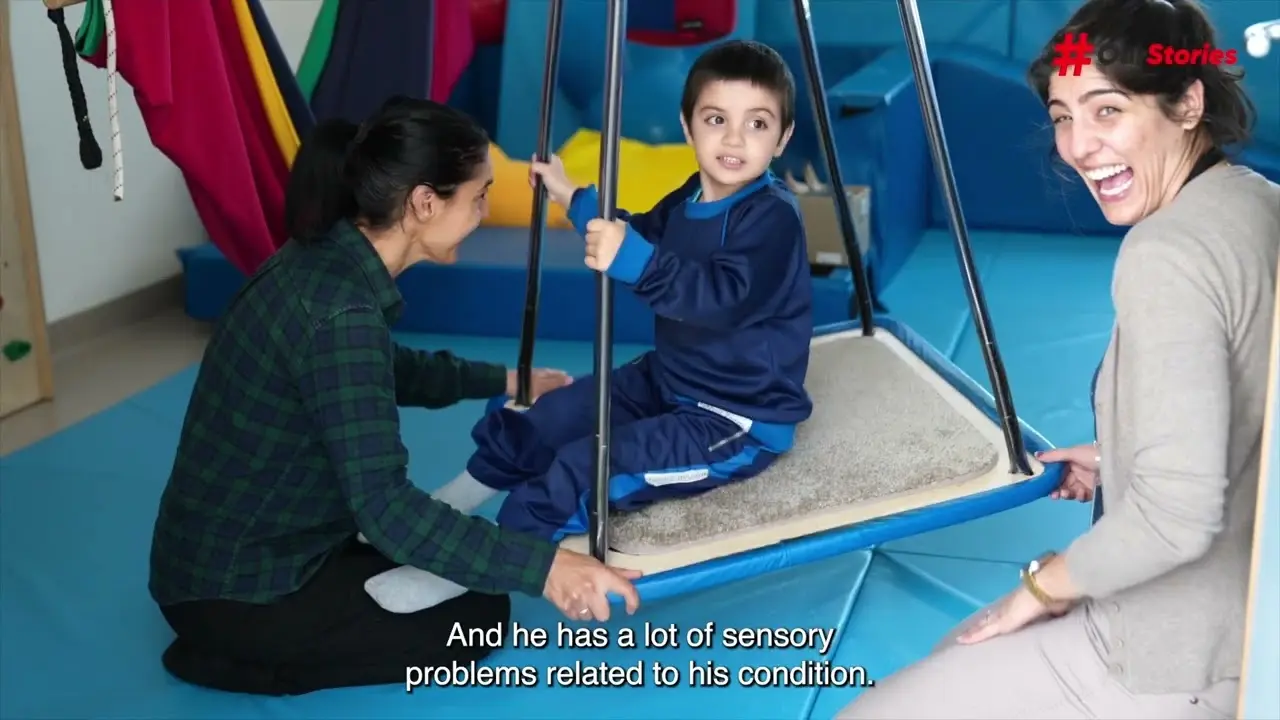
In Marsa, Malta, a new Sensory Integration Therapy Centre is transforming access to care for children with autism, genetic conditions, intellectual disabilities and attention or mental health challenges. The centre offers cutting‑edge assessment and therapy, delivered by staff trained specifically for sensory integration and early intervention.

Housed inside a primary school, it brings education and healthcare under one roof, simplifying daily routines for families and ensuring timely, coordinated support tailored to each child's needs.

The project also upgrades neonatal screening with advanced methods, strengthening early detection so more children receive the right help at the right time—right from the start.

Beyond disabilities—Every child, every chance

By clicking play, you agree to load content from YouTube. This may allow YouTube to collect data about your visit.

Roma Inclusion and Empowerment

The Roma Inclusion and Empowerment programme area aimed to strengthen the inclusion, participation and empowerment of Roma communities across Beneficiary States. It supported the implementation of national, regional and local Roma integration strategies, promoted systemic changes, and encouraged the meaningful participation of Roma in programme development and decision-making. By investing in integrated local-level measures across education, employment, health, and housing, the programme area sought to reduce socio-economic disparities and expand access to opportunities for Roma individuals and communities.

The programme area also worked to make public institutions and policies more inclusive, addressed discrimination, and promoted a human rights-based approach and empowerment of Roma women. It supported capacity building, community-based initiatives, social entrepreneurship, legal assistance, and the training of young Roma leaders, while raising awareness among the majority population to foster positive attitudes and greater inclusion. Bilateral and international cooperation facilitated the sharing of knowledge and best practices, including through partnerships with key actors such as the Fundamental Rights Agency, the Council of Europe, and the Open Society Foundations. Through these combined efforts, the area contributed to broader European objectives on social inclusion, equality and sustainable development, addressing systemic barriers and promoting lasting improvements for Roma communities.

Image credits: IOM Bulgaria
Indicator / Programme Total result
Number of beneficiaries of services provided or improved 29,725
Number of professional staff trained 2,196
Number of Roma reached by empowerment measures 24,433

Project example

Image credits: Pata-Cluj
Find out more

A new start for Pata‑Rât families

On the edge of Cluj-Napoca, entire Roma families once lived beside the city's landfill in Pata‑Rât—a stark symbol of spatial injustice. Two linked initiatives, Pata‑Cluj and Pata 2.0, changed the trajectory. They paired social support with a community-driven path to housing, relocating families into city and metropolitan apartments and turning allocation of social housing into a participatory process rooted in residents' needs. In the first wave alone, 142 people—including 68 school-age children—moved to homes from which they could walk to class, a small shift with outsized impact on inclusion and opportunity. Former residents now mentor newcomers, proving that stable housing can unlock a future.

Children and Youth at Risk

The Children and Youth at Risk programme area aimed to promote the rights, protection and well-being of children and young people in Beneficiary States. It supported the development and improvement of child welfare and protection systems, child-friendly justice, and services for victims of trafficking, abuse or domestic violence. By investing in early childhood education, prevention of early school-leaving, and de-institutionalisation, the programme area helped children and young people achieve better social inclusion, safety and access to opportunities.

The programme area also encouraged empowerment and participation of children and young people, including those from minority or alternative care backgrounds, and promoted multi-sectoral approaches to prevent radicalisation and support resilience. Civil society engagement and partnerships with public and private actors strengthened service delivery and innovation in child protection. Bilateral cooperation with Donor States facilitated the exchange of knowledge, expertise and best practices, contributing to European objectives under the Europe 2020 strategy, the United Nations Convention on the Rights of the Child, and other international frameworks, supporting sustainable social inclusion, equal opportunities and the protection of vulnerable children and young people.

Image credits: Eleni Zacharopoulou
Indicator / Programme Total result
Number of beneficiaries of services provided or improved 72,750
Number of children and young people reached, at risk of early school leaving 19,026
Number of professional staff trained 4,511

Project example

Image credits: Burgas municipality
Find out more

Helping with the first steps

In Malko Tarnovo, Bulgaria, a new early childhood initiative is giving young children from vulnerable and Roma communities a stronger start. The project "Together today, together tomorrow" focuses on children aged 0–6 who lack access to pre-school, healthcare, or supportive learning environments. Mobile expert teams visit families at home, while Roma education and health mediators help parents build confidence and essential caregiving skills. A mobile hub and an expanded early childhood centre offer stimulating outdoor activities, play areas, and group visits to cultural and educational spaces. Together, these efforts create a safe, engaging environment that supports children's development and strengthens local community ties.

Local Development and Poverty Reduction

The Local Development and Poverty Reduction programme area made a substantial contribution to reducing territorial and social inequalities by supporting integrated, bottom‑up approaches that strengthened local communities and improved the well-being of people in vulnerable situations. A central achievement was helping small and medium-sized towns develop place‑based strategies that addressed economic, social, environmental and governance challenges in a coordinated way. These efforts strengthened entrepreneurship support structures, upgraded local business environments, expanded vocational and lifelong‑learning pathways, and revitalised local economies, making towns more attractive for residents and businesses.

Poverty reduction and social inclusion were embedded throughout. Projects promoted active inclusion, strengthened equal access to education, employment, healthcare, welfare and social services, and supported people facing exclusion, including young people, ethnic minorities, migrants and asylum seekers, entrepreneurs in disadvantaged regions, and families in need of support services. Early intervention measures were a key feature, ranging from restorative justice and family mediation to mental health promotion, educational support teams and child‑focused services. These measures improved outcomes for at‑risk children and strengthened cooperation among schools, social services, health providers and local authorities.

The programme area also stimulated social innovation and local economic opportunity by expanding entrepreneurship training, providing small‑scale business support, and delivering micro grants that helped firms develop new products and services. Cooperation among municipalities, civil society organisations, businesses and local stakeholders modernised local governance, strengthened transparency, and deepened community engagement. Efforts to support the integration of asylum seekers and newly arrived families further contributed to cohesive and inclusive local development.

Capacity development was wide-ranging. Extensive participation of young people, entrepreneurs and local officials in training, mentoring, and exchange activities helped build skills, deepen knowledge, and enhance the capacity of local communities to address their development challenges. A strong bilateral dimension amplified results through partnerships and knowledge transfer, demonstrating that inclusive, community‑driven approaches can meaningfully strengthen social cohesion, economic opportunity and local well-being.

Image credits: Ministry of Environmental Protection and Regional Development of the Republic of Latvia
Indicator / Programme Total result
Number of awareness-raising campaigns carried out 699
Number of beneficiaries of services provided or improved 84,715
Number of professional staff trained 9,531

Programme example

Image credits: The Romanian Social Development Fund

Local Development Programme

The Local Development Programme in Romania helped strengthen social and economic cohesion by improving access to essential services, reducing poverty and supporting inclusion in more than 1,000 communities across the country.

A key focus was tackling exclusion and poor living conditions in marginalised settlements. In Cluj Metropolitan Area, 73 Roma families—a total of 342 people—were relocated from hazardous housing near a landfill into newly purchased, safe homes. Across the programme, 849 Roma individuals also benefitted from improved living conditions, including home repairs, water connections, furniture and legalisation of property documents. These interventions ensured that families could move out of unsafe environments and into dignified, stable housing.

Another major achievement was the programme's contribution to breaking the cycle of educational disadvantage. More than 15,250 children and young people at risk received support such as after‑school programmes, remedial learning, summer camps and counselling, helping them remain in school and improve their academic performance. At the same time, 2,589 children with special educational needs gained access to specialised support, and 3,082 teachers were trained in inclusive education practices—nearly double the initial target. Parents were also engaged, with more than 6,600 participating in activities that strengthened the link between schools and families.

To bring services closer to people, the programme established or modernised 31 community centres, now offering integrated social, educational, employment and health services. Through these centres, over 25,000 individuals in vulnerable situations—including children, elderly people, persons with disabilities, and families in severe poverty—received personalised support, from counselling and healthcare to job assistance. Beneficiary satisfaction with services was exceptionally high, averaging 9.63 out of 10.

These achievements show how locally anchored, integrated solutions can create lasting improvements in people's lives—whether by ensuring safer housing, keeping children in school, or making vital services accessible to those who need them most.

Environment and Ecosystems

The Environment and Ecosystems programme area aimed to improve the environmental status of ecosystems and reduce the adverse effects of pollution and other human activities in Beneficiary States. It supported the development and implementation of environmental strategies, management plans, action plans and protection plans for marine, freshwater and terrestrial ecosystems. The programme area fostered monitoring, mapping and assessment of ecological status and ecosystem services, promoted the restoration of degraded habitats, and encouraged sustainable use of natural resources.

The programme area also addressed climate change impacts, hazardous substances management, compliance with environmental legislation, and integration of biodiversity protection with sectoral policies such as agriculture, forestry, fisheries, energy and transport. Capacity building, environmental education, and awareness raising were promoted to strengthen knowledge and support sustainable local development, including green infrastructure and eco-tourism. Bilateral cooperation with Donor States facilitated the exchange of expertise in integrated marine and ecosystems management, enhancing the quality, effectiveness and relevance of interventions. Through these efforts, the programme area contributed to long-term ecosystem resilience, resource efficiency, and the Europe 2020 objectives for sustainable growth and environmental protection.

Image credits: Innovation Norway
Indicator / Programme Total result
Number of awareness-raising campaigns carried out 698
Number of beneficiaries of services provided or improved 89,098
Number of professional staff trained 707

Project example

Image credits: The Ministry of Environmental Protection and Regional Development of Republic of Latvia
Find out more

Restoring hope – Rehabilitating an oil spill

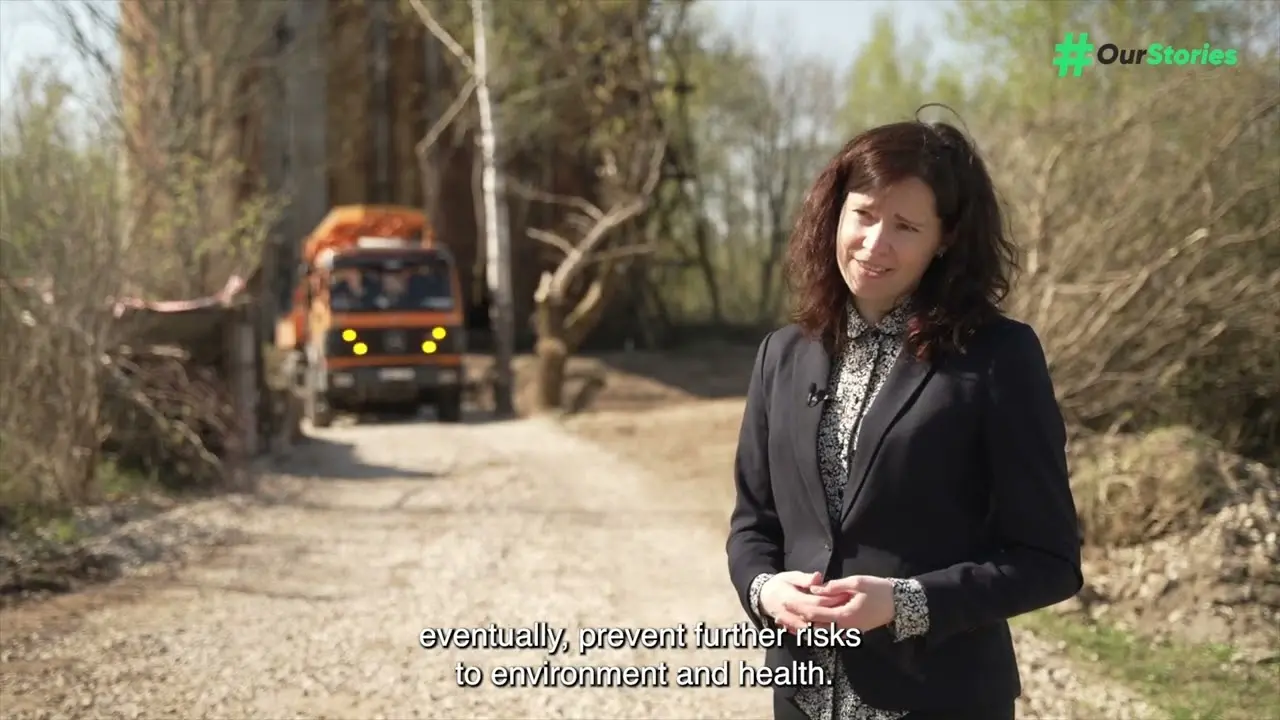
In the quiet parish of Višķi, Latvia, a polluted four‑hectare oil swamp sat where children should have had a playground. The site, once home to large fuel‑oil tanks for the local vocational school, had leaked for decades, contaminating soil and posing serious risks to health and wildlife. In 2021, a community‑driven clean‑up project began, bringing environmental experts and local residents together to remove hazardous waste and restore the land.

The effort not only eliminated a long‑standing pollution threat but also renewed hope in the community—transforming a dangerous industrial remnant into a place where future generations can thrive.

Restoring hope – Rehabilitating an oil spill

By clicking play, you agree to load content from YouTube. This may allow YouTube to collect data about your visit.

Renewable Energy, Energy Efficiency, Energy Security

The Renewable Energy, Energy Efficiency, Energy Security programme area aimed to support the transition to a less carbon-intensive energy system while increasing the security of energy supply in the Beneficiary States. It supported energy efficiency measures across production, distribution and end-use sectors, the production and distribution of renewable energy, and recovery of energy from waste. The programme area also strengthened energy security through diversification of energy sources and infrastructure improvements.

The programme area supported renewable energy policies in industrial, residential and district heating, as well as development and support for technologies such as geothermal, solar, wind and hydro energy. Awareness raising, stakeholder engagement, and cooperation with the private sector, SMEs and research institutions were promoted to ensure broad-based adoption of sustainable energy solutions. Bilateral partnerships with Donor States facilitated knowledge exchange, expertise sharing and capacity building in energy efficiency and renewable energy development. Through these efforts, the programme area contributed to the European Union (EU)'s objectives of reducing greenhouse gas emissions, increasing the share of renewable energy and improving energy efficiency, while fostering innovation, job creation and climate resilience.

Image credits: Eva Marie Bula
Indicator / Programme Total result
Energy produced annually from renewable sources (MWh) 735,060
Estimated annual CO₂ emissions reductions (tonnes) 523,125
Estimated annual energy savings (MWh) 373,401
Installed capacity for production of renewable energy (MW) 78

Programme example

Image credits: Štefan Brajković

Croatian Energy Programme

The Croatian Energy Programme supported the country's shift towards cleaner, more secure energy by increasing the use of renewable sources and testing new low‑carbon technologies. Through 37 projects across 46 locations, the programme helped address Croatia's dependence on energy imports and explored untapped renewable potential in coastal, urban and geothermal‑rich regions.

A key focus was harnessing the energy of the Adriatic Sea. Although Croatia has ideal conditions for using seawater for heating and cooling, these systems were not widely applied. The programme therefore funded several pilot projects demonstrating their feasibility. One prominent example was the installation of seawater‑based heat pumps in hospitals and public facilities. In Rovinj, a heritage‑protected hospital installed a 0.48 MW seawater heat‑pump system producing around 1,532 MWh annually and reducing emissions by 362 tonnes of CO₂ per year. The project inspired strong interest from other coastal municipalities interested in replicating the technology.

Another major achievement was the programme's support for developing geothermal energy, particularly in inland regions with significant underground potential. The programme financed technical documentation, testing, and in some cases drilling of geothermal wells. In Bjelovar, drilling of a new well resulted in 4.1 MW of installed capacity, with an estimated yearly energy production of 25,920 MWh and an expected reduction of 3,500 tonnes of CO₂ per year. Geothermal heat is now set to support local businesses, district‑heating networks and greenhouse farming, improving air quality and reducing heating costs.

The programme also strengthened energy efficiency by establishing Croatia's first national training centre for nearly zero‑energy buildings (NZEB). Sixty‑seven professionals were trained—exceeding the original target—and the centre created a practical model for future renovations, helping Croatia meet EU requirements that all new buildings be nearly zero‑energy.

Together, these efforts demonstrate how piloting new technologies, investing in geothermal potential, and building national expertise can support Croatia's transition towards cleaner, more independent and climate-resilient energy.

Climate Change Mitigation and Adaptation

The Climate Change Mitigation and Adaptation programme area aimed to reduce greenhouse gas emissions and increase the resilience of communities and ecosystems to climate change. It supported the development and implementation of national, regional and local strategies, action plans and contingency plans addressing both mitigation and adaptation measures. The programme area promoted greenhouse gas reduction in industry, climate-proofing of infrastructure, extreme weather preparedness, flood and drought prevention, and ecosystem-based solutions for carbon capture and storage.

The programme area encouraged pilot projects, awareness-raising activities, and integration of climate change considerations into broader disaster management and planning frameworks. Investments targeted sectors such as agriculture, forestry, fisheries, energy, and urban infrastructure, aiming to strengthen societies' capacity to anticipate and respond to climate-related risks. Bilateral cooperation with Donor States facilitated the sharing of expertise, experience and best practices in mitigation and adaptation, enhancing the impact and sustainability of the supported measures.

Through these efforts, the programme area contributed to Europe 2020 climate and energy targets, the EU 2030 Framework for climate and energy, the EU Adaptation Strategy, and international commitments such as the Paris Agreement (COP21). The programme area reinforced the importance of cross-border collaboration and knowledge exchange to address climate change effectively, while promoting resilient ecosystems, low-carbon solutions and smart, climate-adapted communities.

Image credits: Environmental Investment Centre of Estonia
Indicator / Programme Total result
Estimated annual CO₂ emissions reductions (tonnes) 1,375
Number of climate change adaptation or mitigation plans developed 98
Number of professional staff trained 2,010

Project example

Image credits: Ministry of Environment of the Slovak Republic
Find out more

Seven steps to a greener Brezno

In Brezno, Slovakia, a local initiative is helping residents rethink how they live, work and care for their environment. Through the "7 Steps for Brezno" project, the town introduced practical actions—from reducing energy use in public buildings to promoting cycling, community gardening, local food, and waste reduction—that make sustainable living accessible to everyone.

Workshops, public events, and school activities helped residents understand how everyday choices contribute to climate goals, while pilot measures showed what a greener Brezno could look like in practice. The project strengthened community pride and created momentum for long-term environmental change.

Seven steps to a greener Brezno

By clicking play, you agree to load content from YouTube. This may allow YouTube to collect data about your visit.

Cultural Entrepreneurship, Cultural Heritage and Cultural Cooperation

The Cultural Entrepreneurship, Cultural Heritage and Cultural Cooperation programme area demonstrated how cultural investment can reinforce territorial cohesion through seven programmes. These programmes facilitated the revitalisation of heritage sites, broadened access to cultural life, and strengthened the cultural and creative sectors. Countries such as Slovakia, Portugal, Poland and Romania saw their cultural assets restored and modernised—from museums and monuments to coastal heritage—transforming vulnerable sites into drivers of economic regeneration and cultural identity. New business models, preventive conservation strategies, and reinforced entrepreneurial capacities established cultural heritage as a robust local economic resource.

The programmes placed skills and innovation at their core, with thousands of cultural workers benefiting from training in heritage management, audience development, digital innovation and contemporary creation. Lithuania, Czechia and Bulgaria extended their cultural programming to more remote territories, whilst Poland and Romania strengthened cultural organisations through better-prepared teams and innovative offerings—contributing to the resilience and competitiveness of the sector.

Cultural participation and inclusivity were central to the programmes' social impact. They helped reduce rural–urban disparities and encouraged the engagement of communities too often excluded from cultural life, including Roma communities, young people, and residents of sparsely populated areas. Several initiatives promoted dialogue around community histories, the safeguarding of minority cultures, and the reinforcement of cultural identity. Digital tools further supported broader access through virtual tours and digitised collections.

Through a strengthened bilateral dimension, the quality and sustainability of the programmes were considerably enhanced. Over 200 partnerships between Beneficiary and Donor States enabled the exchange of good practice and fostered long-term cooperation in cultural heritage, entrepreneurship and the contemporary arts.

These programmes demonstrated that investment in culture is far more than a social endeavour—it is a strategic endeavour that fosters innovation, creativity and long-term economic opportunity.

Image credits: SIA "Lielais Dzintars"
Indicator / Programme Total result
Number of contemporary arts events supported 3,521
Number of cultural heritage sites restored and revitalised 60
Number of people attending supported cultural events 6,864,290
Number of professional staff trained 16,597

Programme example

Image credits: Carlos Cabral de Melo

Portugal Culture Programme

The Portugal Culture Programme tackled two linked challenges: the degradation of coastal and underwater cultural heritage, and the limited availability of arts and cultural activities in low-density regions. Its combined investments strengthened heritage protection, expanded cultural participation, and supported local development.

Heritage projects enabled the restoration of 11 cultural sites, the development of 13 sustainability plans, and the creation of 33 new activities in revitalised spaces. Also, deteriorating structures, such as forts, shipyards and maritime heritage centres, were transformed into active cultural and educational venues. These sites collectively recorded 265,385 visitors, showing strong public interest generated by their renewal. The programme also contributed to local employment, with 44 jobs created, and revitalised traditional skills, including wooden shipbuilding.

Underwater heritage capacity increased significantly through a fully equipped conservation laboratory, 61 trained specialists, and 16 documented underwater sites, addressing long-standing gaps in technical expertise. The FILMar project broadened access to audiovisual memory by digitising 10,531 minutes of film and showcasing 267 sea-related films, helping counter audiovisual illiteracy and strengthening public engagement with Portugal's film heritage.

To address regional inequalities in cultural access, the programme supported contemporary arts projects in 74 municipalities. These delivered 595 artistic productions, 997 public presentations, and welcomed 110,107 attendees, increasing cultural opportunities in areas that typically host little or no artistic programming. Community involvement was central, with 4,480 residents participating directly in creative processes and 134 cultural workers trained to strengthen long-term local capacity. Arts activities also generated 142 jobs, contributing to local economies.

Across these interventions, 65 partnerships with Donor-state organisations enriched knowledge exchange and artistic collaboration, supporting sustainable cultural development and stronger international ties.

Overall, the programme delivered clear, measurable contributions to its objectives by safeguarding vulnerable heritage, expanding artistic access and strengthening cultural ecosystems across Portugal.

Civil Society

The Civil Society programme area strengthened civil society, active citizenship, and the empowerment of vulnerable groups across Beneficiary States during a period marked by political instability, economic pressures, the COVID-19 pandemic, and the consequences of Russia's war against Ukraine. In several contexts, civil society organisations operated in challenging environments, including reduced civic participation, institutional fragility, and limited access to sustainable funding.

The programme area reinforced democratic accountability by supporting watchdog organisations, civic education, participatory governance initiatives, and strategic litigation. Supported organisations contributed to policy discussions, legislative improvements, and enhanced consultation mechanisms at local and national levels. Initiatives promoting voter engagement, transparency, and access to information strengthened democratic participation and public awareness. In Poland, civil society organisations supported by the programme area contributed to record voter turnout in the 2023 parliamentary elections through voter mobilisation and election monitoring initiatives.

A strong focus was placed on reducing social and economic disparities. The programme area empowered Roma communities, persons with disabilities, LGBTQ+ individuals, women affected by gender-based violence, migrants, refugees, and other vulnerable groups through legal aid, services, advocacy, and self-advocacy mechanisms. During humanitarian crises, civil society actors supported by the programme area provided rapid assistance, integration services, and psychosocial support, complementing public efforts.

Institutional capacity building was a defining feature. In response to long-standing sector needs and the additional pressures created by the COVID-19 pandemic, the programme area introduced organisational grants, providing flexible core support to key civil society actors. Together with mentoring, coaching and training platforms, this strengthened governance, financial management, advocacy capacity and strategic planning across hundreds of organisations. The programme area enhanced financial stability, reduced dependence on short-term project funding, and reinforced long-term sector resilience. National networks and thematic coalitions were also strengthened, further consolidating civil society infrastructure.

The programme area also promoted environmental participation and accountability, supporting citizen engagement in environmental decision-making and contributing to the implementation of international commitments.

Bilateral partnerships between Beneficiary- and Donor-state organisations facilitated knowledge exchange, mutual learning and durable institutional cooperation.

By strengthening independent civil society and expanding inclusive participation, the programme area contributed to democratic resilience, social cohesion, and more equitable development across Beneficiary States.

Image credits: Márcia Lessa
Indicator / Programme Total result
Number of civil society organisations engaged in advocacy/watchdog work on human rights 567
Number of national policies and laws influenced 1,332
Number of people engaged in civil society organisation activities (including online) 5,885,323

Project example

Image credits: Adobe Stock
Find out more

Making justice child-friendly

In Poland, the Empowering Children Foundation is transforming how the justice system responds to young victims of violence and sexual abuse. Through the Child-Friendly Justice System project, supported by the Active Citizens Fund, the organisation provides psychological and legal assistance to children involved in legal proceedings and works closely with judges, prosecutors and police to ensure that hearings are safe, respectful and trauma informed. The project builds on three decades of advocacy that helped change national legislation, improve courtroom practices and establish child-specific safeguards. Its goal is simple but vital: ensuring that every child who enters the justice system is protected, heard and treated with dignity.

Good Governance, Accountable Institutions, Transparency

The Good Governance, Accountable Institutions, Transparency programme area aimed to improve the integrity and accountability of public administration across Beneficiary States. It supported institutional capacity building, public administration reform, delivery and accessibility of quality public services, and the development of inclusive and transparent government structures. The programme area also targeted economic and financial governance and promoted cooperation between government and civil society.

Measures included public governance reviews in collaboration with the OECD, reforms to strengthen democratic institutions, transparency and anti-corruption efforts, and the establishment of systems for budgeting, auditing, supervision and citizen consultation. Other initiatives involved revising national legislation on local self-government in line with European standards, implementing recommendations from the Group of States against Corruption (GRECO), capacity building and skills development across public administration levels, and building citizen trust in institutions. Social innovation approaches and awareness campaigns, including those promoting women's participation in governance and protection of whistleblowers, were also supported. Knowledge exchange between democratic institutions, such as national parliaments, was encouraged to facilitate the sharing of best practices.

The programme area recognised that good public governance is key to achieving smart, inclusive and sustainable growth, as outlined in the Europe 2020 strategy. Economic crises and increased social inequality highlighted the need for stronger government capacity to plan, respond, and deliver services effectively. Strengthened governance and public administration reforms were seen as essential instruments for economic recovery, investment in growth and employment and improved service delivery, while balancing economic, environmental and social objectives.

Bilateral cooperation with Donor States, as well as collaboration with international organisations such as the OECD, facilitated the exchange of expertise and lessons learned. These partnerships strengthened institutional capacities, enhanced transparency, and promoted accountable governance practices. The programme area was mandatory for all Beneficiary States, either as a standalone initiative or embedded within other programmes, ensuring broad-based support for public administration reform.

Image credits: NFP Czech Republic
Indicator / Programme Total result
Number of corruption cases officially reported annually 377
Number of people participating in consultations with a public decision-making body 2,276
Number of professional staff trained 12,064

Project example

Image credits: Adobe Stock
Find out more

The fight against corruption

Across the Czech justice system, a major initiative has helped strengthen how corruption is prevented, identified and addressed. Led by the Ministry of Justice, the project focused on judges, prosecutors, public servants and the wider public—groups essential to building a culture of integrity. Through comparative studies, new methodologies, and international conferences, experts examined conflict-of-interest rules, whistleblower protection, and ethical standards in public institutions.

Workshops and trainings then translated this knowledge into practice, giving professionals clearer guidelines and tools. A nationwide media campaign further raised public awareness. Together, these steps reinforced Czechia's efforts to meet international anti-corruption standards and strengthen trust in public institutions.

Human Rights – National Implementation

The Human Rights – National Implementation programme area aimed to improve the human rights situation in Beneficiary States and combat discrimination and extremism at national level. It supported the implementation of the European Convention on Human Rights and the EU Charter of Fundamental Rights, the development and empowerment of ombudsperson institutions, national human rights platforms and equality bodies, peaceful conflict resolution and reconciliation, and measures to combat all forms of discrimination, including hate crime and hate speech.

Supported measures included implementing relevant European Court of Human Rights judgments, following up on thematic and country-specific recommendations from international organisations, and training judges, lawyers and prosecutors on the European Convention and case law. The programme area also promoted the development of national strategies and action plans on human rights, capacity building for human rights institutions, awareness-raising campaigns, and educational initiatives. Innovative approaches targeting young people, media and schools, as well as systematic dialogue with educators on history, reconciliation and peaceful conflict resolution, were also encouraged. Networking and knowledge exchange between national human rights bodies and institutions formed an essential part of the programme area.

The programme area addressed pressing challenges, including increased political extremism and pressures on human rights resulting from the economic crisis. By enabling national authorities to implement international human rights treaties and judgments effectively, the programme area contributed to upholding EU cohesion policy objectives and broader principles of human rights. Cooperation with international organisations such as the Council of Europe and the Fundamental Rights Agency was recommended to enhance the effectiveness and reach of initiatives.

Priority was given to empowering minorities and vulnerable groups to uphold their rights, as well as initiatives targeting young people. Bilateral cooperation facilitated institutional networking, the exchange of best practices, and strengthened capacity to promote and protect human rights.

Image credits: The Development and Psychotherapy through Action Association
Indicator / Programme Total result
Number of professional staff trained 8,857
Number of Roma reached by empowerment measures 1,722
Number of students educated in civic and human rights 296

Project example

Image credits: The Development and Psychotherapy through Action Association
Find out more

Step by step, I grow with dignity!

In Romania, the project "Pas cu pas cresc demn!" is helping children and young people in vulnerable communities understand and exercise their rights with confidence. Through workshops, school activities and awareness campaigns, the initiative promotes respect for children's rights at national level and strengthens cooperation between local institutions.

The project also created child-friendly spaces in the city of Craiova—one for hearing minors safely during judicial procedures and another supporting positive parent-child interactions for young people in detention.

By bringing police, teachers, social workers and families together, the project fosters dignity, protection and hope for children whose voices too often go unheard.

Asylum and Migration

The Asylum and Migration programme area aimed to ensure functioning national asylum and migration management systems while safeguarding the right to seek asylum. It supported the development of national asylum and migration systems, including voluntary return programmes, as well as services enabling asylum seekers to exercise basic rights.

Supported measures included strengthening case processing systems, developing reception facilities with a focus on unaccompanied minors and vulnerable groups, supporting voluntary return, and fostering cooperation between public authorities, NGOs, and international organisations such as the European Union Agency for Asylum (EUAA), the United Nations High Commissioner for Refugees (UNHCR), and the International Organization for Migration (IOM). Bilateral and multilateral exchanges of knowledge and best practices on improving national asylum and migration systems, small grant schemes for NGOs, and capacity building of NGOs were also encouraged.

The programme area addressed the pressures on European asylum and migration systems, particularly following a surge in asylum seekers in 2015. A well-functioning system is critical to safeguard the right to seek asylum under the Common European Asylum System and international obligations such as the UN Refugee Convention and the European Convention on Human Rights. All programmes under this area contributed to enabling secure access to asylum procedures in line with legal instruments and standards, including the Dublin system.

Priority was given to the needs of unaccompanied minors and other vulnerable groups. Bilateral cooperation between Donor and Beneficiary States was encouraged to share expertise on reception facilities, case management systems, and addressing the needs of vulnerable asylum seekers.

Image credits: EEA and Norway Grants
Indicator / Programme Total result
Number of beneficiaries of services provided or improved 9,736
Number of migrants who returned voluntarily 229
Number of professional staff trained 7,473

Programme example

Image credits: Adobe Stock

Polish Home Affairs Programme

The Polish Home Affairs Programme brought together three linked programme areas: Asylum and Migration, International Police Cooperation and Combating Crime, and Disaster Prevention and Preparedness.

Work in Asylum and Migration focused on improving support for asylum seekers and migrants, especially vulnerable groups. Many lacked access to clear information, legal aid or psychological support when entering or staying in reception centres. Through six projects, the programme improved services in 12 migrant and asylum centres, provided assistance to over 1,500 people, and offered targeted support to almost 350 minors, including 50 unaccompanied minors. Training for more than 4,000 professionals helped raise standards across the system, for example, by improving understanding of voluntary return procedures and strengthening child‑protection practices. Tools such as newly developed questionnaires on the "best interests of the child" helped embed lasting improvements.

In International Police Cooperation and Combating Crime, the programme helped police and border services deal with increasingly complex and cross‑border criminal activity. Almost 15,000 officers received training in areas such as cyber forensics, document verification, and combating human trafficking. Twenty institutions received specialised equipment, enabling faster and more accurate investigations. The results were evident: for example, significant increases in the detection of drug offences were linked directly to the training delivered. Strong cooperation with Norwegian partners supported shared learning through 35 joint events, study visits and expert exchanges.

The Disaster Prevention and Preparedness component focused on hazards involving chemical, biological, radiological, nuclear and explosive materials. A national project strengthened Poland's prevention and preparedness by introducing a "whole‑of‑society" risk‑assessment approach, regular threat reviews and joint exercises across agencies. More than 1,300 specialists were trained, and advanced equipment—such as drones equipped with sensors—boosted operational readiness. Excellent cooperation with Norwegian partners enriched this work, including an international conference in Warsaw on innovation in disaster prevention.

Overall, the programme delivered concrete, lasting improvements to safety and resilience in Poland while deepening cooperation with Norway across all three areas.

Correctional Services and Pre-trial Detention

This programme area aimed to improve the correctional system and the conditions of detention, while supporting rehabilitation, reintegration and compliance with international standards. It focused on correctional service systems, reducing overcrowding through alternatives to detention, improving conditions for vulnerable groups, and strengthening rehabilitation and reintegration services, alongside training for prison staff and enhanced cooperation across the justice chain.

The Grants significantly contributed to modernising the penitentiary systems in Beneficiary States by constructing modern prison complexes, in Poland and Bulgaria for instance, with improved living and working conditions, therapeutic wards and production facilities. The programme area enhanced staff competencies through targeted training, postgraduate studies, and an e-learning platform, while introducing a national recidivism risk assessment tool to support evidence-based rehabilitation and judicial decisions.

Support was particularly relevant as many Beneficiary States faced challenges such as overcrowding, inadequate healthcare, rising numbers of prisoners with mental health or drug addiction issues, insufficient rehabilitation activities, and poor infrastructure. The programme area was guided by international standards, including the Council of Europe's European Prison Rules, the recommendations of the Committee for the Prevention of Torture (CPT), United Nations norms, and the case law of the European Court of Human Rights. EU framework decisions on prisoner transfer, probation and alternative sanctions also informed implementation.

Programmes were designed to combine improvement of material conditions with rehabilitation and reintegration measures, with priority given to vulnerable groups in detention. Bilateral cooperation between Donor and Beneficiary States was promoted to share knowledge, expertise, and best practices.

Image credits: ANP Romania
Indicator / Programme Total result
Number of beneficiaries of services provided or improved 3,556
Number of prison places set up in line with European standards 2,106
Number of professional staff trained 8,689

Programme example

Image credits: Bulgarian Ministry of Justice

Bulgarian Justice Programme

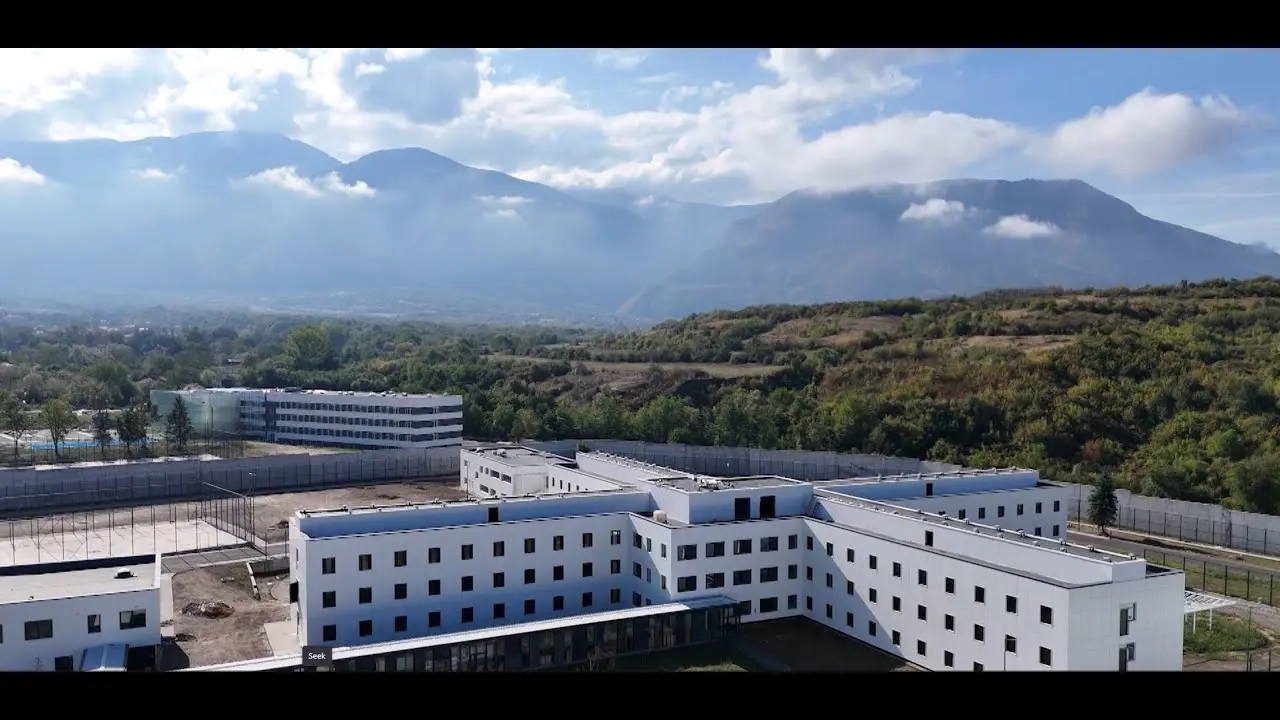
The Bulgarian Justice Programme strengthened the rule of law by modernising correctional services, improving judicial capacity, and expanding protection for vulnerable groups. A major achievement was the construction of Bulgaria's first new prison in 80 years—a pilot complex in Samoranovo designed around European standards and rehabilitation‑focused practices. Alongside this, six prisons and detention facilities were renovated, three medical units were modernised, and four halfway houses were established to support inmates nearing release. New educational and vocational opportunities were introduced, including a fully accredited school inside Pazardzhik Prison. In total, more than 1,300 prison places were upgraded, complemented by extensive staff training and the rollout of new risk‑assessment and social‑reintegration programmes.

The programme also helped embed European human‑rights standards in the judiciary. A national mechanism for implementing European Court of Human Rights judgments was developed, human‑rights law was introduced as a compulsory subject in Bulgarian universities, and 13 shared learning spaces were created to support modern judicial training. More than 2,400 legal professionals undertook courses, and magistrates completed internships and study visits at the European Court of Human Rights and the Council of Europe, strengthening the quality and consistency of judicial practice.

Access to child‑friendly justice improved through four local projects offering specialised services, mobile teams and community outreach, with a strong focus on Roma children. New local‑level cooperation agreements and awareness campaigns reached more than 1,700 people, contributing to stronger multidisciplinary responses for children in conflict or contact with the law.

Efforts to prevent domestic and gender‑based violence expanded through seven projects. More than 7,000 legal consultations were delivered (over 80% via mobile legal‑aid teams), including support for over 700 victims. Training for over 500 legal professionals, new crisis and counselling services, and the launch of the "Help Me" mobile app strengthened access to protection. Local coordination mechanisms between justice, police and social authorities were piloted in three regions.

Strong partnerships with Norwegian entities and the Council of Europe underpinned all components, ensuring alignment with international standards and lasting improvements across Bulgaria's justice system.

Bulgarian Justice Programme

By clicking play, you agree to load content from YouTube. This may allow YouTube to collect data about your visit.

International Police Cooperation and Combating Crime

This programme area aimed to strengthen crime prevention and investigation, enhance the effectiveness of law enforcement, and improve the protection of victims. It focused on cooperation between national and international law enforcement authorities, the justice chain and relevant stakeholders, with particular attention to organised crime, trafficking, cybercrime, violent extremism, hate crimes, gender-based violence, corruption, and child-friendly justice.

Suggested measures included improving the capacity of law enforcement agencies to investigate and prosecute organised crime, trafficking, and other serious offences; strengthening cooperation with Europol, Interpol, Eurojust and Schengen partners; developing international operational networks for rapid information exchange and sharing of best practices; improving forensic and investigative services; and enhancing workflows and stakeholder cooperation across multiple institutions. The programme area also supported capacity building, training in human rights, cultural awareness, anti-corruption, money-laundering prevention, victim support, and efficient use of criminal asset recovery. Small grant schemes for NGOs were encouraged to complement operational and community-based measures.

Support was particularly relevant as organised and transnational crime continues to pose serious risks to public safety and economic stability in Europe. Effective law enforcement and well-functioning police systems, able to cooperate bilaterally and through European and international networks, are critical to tackling these challenges. Adherence to European and international standards, including the EU Victims Directive, the Council of Europe Convention on Action against Trafficking in Human Beings (monitored by the Group of Experts on Action against Trafficking in Human Beings (GRETA)), anti-corruption conventions (monitored by GRECO), and relevant European Court of Human Rights and EU case law, was emphasised. Recommendations from the Secretary General of the Council of Europe report "State of democracy, human rights and rule of law in Europe" of April 2014 were also taken into account.

Programmes included infrastructure components, with maximum funding levels defined in the Memorandum of Understanding or programme concept note. Bilateral cooperation between Donor and Beneficiary States was promoted to share knowledge, expertise, and best practices, recognising that cross-border crime requires collective action.

Image credits: Ministry of the Interior of the Republic of Latvia
Indicator / Programme Total result
Number of beneficiaries of services provided or improved 1,713,492
Number of professional staff trained 32,071
Number of projects involving cooperation with a Donor project partner 13

Project example

Image credits: Økokrim
Find out more

Together against environmental crime

Norway and Latvia have joined efforts to tackle environmental crime through a unique cross-border training and cooperation project. Økokrim, Norway's environmental police authority, is training Latvian police, prosecutors and public administration staff across six intensive two-day sessions—four in Norway and two in Latvia.

Participants learn about international environmental law, investigative methods, and how to work with agencies responsible for fisheries, food safety, pollution control and coastal protection.

By sharing expertise and building trust, the project strengthens Latvia's ability to prevent and investigate environmental offences while creating a joint front against crimes that threaten land, water and ecosystems across borders.

Effectiveness and Efficiency of the Judicial System, Strengthening Rule of Law

The Effectiveness and Efficiency of the Judicial System, Strengthening Rule of Law programme area aimed to build efficient and transparent justice systems and strengthen safeguards for victims and vulnerable groups. With €41 million allocated to six Beneficiary States during the 2014–2021 funding period, it addressed slow proceedings, weak enforcement and corruption risks. Key efforts included modernising court administration, expanding legal aid and child-friendly procedures, and promoting mediation to restore trust in fair and enforceable justice.

Measures included upgrading the infrastructure of the judiciary's administrative capacity, technical equipment, and management practices within courts and prosecution services, as well as promoting gender balance in access to justice and senior judicial positions. Training of judges, lawyers and prosecutors on the European Convention on Human Rights, EU law, and relevant case law was supported, alongside professional association development and study exchanges. Initiatives to improve legal aid systems, procedures for persons with special needs, and child-friendly facilities were also promoted. Other actions focused on increasing the use of restorative justice, enhancing justice-chain data collection, strengthening networks between institutions, and preventing corruption, money laundering and terrorism financing. Small grant schemes for NGOs were encouraged to support complementary activities.

The programme area recognised that fair, efficient and transparent judicial systems are essential to restoring public trust, ensuring human rights protection, and fostering social and economic stability. Challenges such as corruption, lengthy proceedings, and non-enforcement of judgments underscored the need for reforms aligned with Council of Europe recommendations, findings of the European Commission for the Efficiency of Justice (CEPEJ), and European Court of Human Rights jurisprudence.

Bilateral cooperation with Donor States facilitated knowledge exchange, sharing of best practices, and capacity building. Partnerships strengthened institutional capabilities, promoted transparency, and supported accountable governance within the judiciary. The programme area ensured that Beneficiary States could implement comprehensive judicial reforms, contributing to the broader goals of the Europe 2020 strategy by supporting justice, trust and rule of law across society.

Image credits: Adobe Stock
Indicator / Programme Total result
Number of beneficiaries of services provided or improved 158
Number of professional staff trained 8,953
Number of projects involving cooperation with a Donor project partner 19

Project example

Image credits: Ministry of Justice and Public Administration in Croatia
Find out more

Beyond stones – Supporting the justice system in Croatia

In Split, Croatia, a unique justice-sector project is strengthening how courts work and how citizens access justice. Its most visible achievement is the full reconstruction of an old department store into a modern courthouse, allowing all judges, advisors and staff—previously split across two locations—to finally work under one roof, improving efficiency and cutting costs.

But the project goes far beyond bricks. Croatian judicial teams are working closely with experts from the Norwegian Courts Administration, exchanging knowledge, developing skills and improving court services, digital access and professional training.

Together, these efforts help build a more effective, accessible and trusted justice system.

Beyond stones – Supporting the justice system in Croatia

By clicking play, you agree to load content from YouTube. This may allow YouTube to collect data about your visit.

Domestic and Gender-based Violence

The Domestic and Gender-based Violence programme area aimed to prevent violence and protect and assist victims across Beneficiary States. It supported the development of integrated response systems involving police, justice, health and social services, and strengthened national strategies, legislation, and policies to combat domestic and gender-based violence. The programme area also promoted prevention, awareness raising, and capacity building for both victims and offenders.

Measures included aligning national legal frameworks with Council of Europe standards, developing protective measures and specialised support services for victims and children, and training professionals in contact with victims and perpetrators. Educational initiatives for schools and healthcare providers were supported, alongside advocacy, public-awareness campaigns, and networking between authorities and civil society organisations. Research, data collection, and regional cooperation informed policy and practice, while small grant schemes for civil society organisations encouraged local action.

The programme area recognised that gender-based violence is a widespread violation of human rights, affecting the dignity, equality, and safety of groups in vulnerable situations, with women and girls being among the groups particularly affected. Despite ongoing efforts, violence remains extensive and under-reported, highlighting the need for coordinated, multi-sectoral responses. Support aligned with international instruments such as the Istanbul Convention and the Council of Europe's guidelines on trafficking in human beings, helping Beneficiary States implement and follow up on these conventions.

Priority was given to groups in vulnerable situations, including child witnesses, migrant women and Roma women, and to programmes that integrated public entities and civil society organisations. A maximum of 50% of funding was allocated to infrastructure, ensuring that resources complemented services.

Bilateral cooperation facilitated knowledge sharing, strengthened institutional capacity, and reinforced coordinated national approaches to preventing and addressing domestic and gender-based violence. A key contributor to this has been the SYNERGY Network against Gender-based and Domestic Violence, coordinated by the Norwegian Ministry for Justice and Public Security, in close partnership with Beneficiary-state and Donor-state partners and the Council of Europe. The Network has demonstrated significant added value in improving EEA and Norway Grants-funded programmes and projects on the topic and inspired new policies, practices, and measures in the participating countries, while strengthening both bilateral and multilateral relations between EU and EEA countries.

Image credits: European Union Agency for Fundamental Rights
Indicator / Programme Total result
Number of cases of domestic and gender-based violence officially reported annually 121,998
Number of beneficiaries of services provided or improved 62,010
Number of professional staff trained 12,087

Project example

Image credits: EEA and Norway Grants
Find out more

The SYNERGY Network

Across Europe, gender-based violence remains widespread, with one in three women having experienced it in their lifetime. This urgency brought experts, policymakers and justice-sector professionals together at the SYNERGY Network conference in January 2025 to strengthen joint action against domestic and gender-based violence.

Participants examined new EU standards, including the first Directive on Combating Violence Against Women and Domestic Violence, and shared lessons on prevention, protection and prosecution.

Through open dialogue and coordinated efforts, the initiative helps countries improve legal frameworks, support survivors more effectively, and build a Europe where violence is never tolerated.

The SYNERGY Network

By clicking play, you agree to load content from YouTube. This may allow YouTube to collect data about your visit.

Disaster Prevention and Preparedness

The Disaster Prevention and Preparedness programme area aimed to strengthen disaster resilience across Beneficiary States. It supported the development of risk assessment tools, prevention measures, and enhanced crisis preparedness at all societal levels. The programme area promoted integrated approaches to disaster risk management, ensuring that prevention and response systems were robust, effective, and aligned with international standards.

Measures included the mainstreaming of disaster risk management into investments, updating national acts and regulations, and developing national, regional, and local risk assessment systems. Cross-border learning and cooperation were encouraged to share best practices on risk reduction, disaster impacts and crisis management. The programme area also supported capacity building for critical infrastructure, strengthened chemical, biological, radiological, and nuclear (CBRN) safety, improved oil spill prevention, and enhanced data collection and accessibility to establish European standards for disaster losses.

The programme area recognised that disasters and climate-related risks have significant economic and societal impacts, exacerbated by climate change, urbanisation, demographic pressures and environmental degradation. Past events such as the Fukushima nuclear accident and the Deepwater Horizon oil spill illustrate the human and economic consequences of inadequate preparedness. Effective disaster prevention and management reduce losses, safeguard development and create economic benefits, including employment opportunities and sustainable public and private finances.

Support aligned with EU civil protection legislation, the Europe 2020 strategy, the UN post-2015 disaster risk reduction framework, and recommendations from organisations such as the EU, the European Maritime Safety Agency (EMSA), the International Atomic Energy Agency (IAEA) and the United Nations Office for Disaster Risk Reduction (UNISDR). The programme area promoted proactive and coordinated responses to natural and man-made hazards, enhancing security and resilience for citizens and communities.

Bilateral cooperation between Donor and Beneficiary States facilitated knowledge exchange, strengthened prevention capacity, and ensured that systems were in place to respond effectively to disasters, fostering resilient and sustainable societies.

Image credits: Internal Security Agency (PL)
Indicator / Programme Total result
Number of professional staff trained 2,163

Project example

Image credits: The Ministry of Finance of Lithuania
Find out more

Tackling Ignalina's nuclear waste problem

For decades, Lithuania's Ignalina Nuclear Power Plant powered the region—but it also left behind over 30,000 m³ of radioactive waste stored near the site. As the plant approaches full decommissioning, a major project supported by the EEA and Norway Grants is transforming how this legacy is managed.

Working with Lithuania's nuclear safety authority (VATESI) and Norway's radiation safety experts, the initiative strengthens waste management systems, evaluates long-term storage options, and upgrades safety competencies.

The project not only reduces risks to people and the environment—it builds expertise that will guide nuclear waste solutions far beyond Lithuania's borders.

Tackling Ignalina's nuclear waste problem

By clicking play, you agree to load content from YouTube. This may allow YouTube to collect data about your visit.

Fund for Youth Employment

The Fund for Youth Employment addressed high youth unemployment by supporting transnational cooperation on labour market inclusion. With a budget of €60.4 million, it financed 34 projects involving partners from 25 countries. By requiring cross-border partnerships, the Fund enabled organisations to jointly design solutions for young people not in employment, education or training (NEETs), including long-term unemployed youth, young mothers, rural NEETs, and other groups in vulnerable situations.

The projects delivered targeted training, mentoring, entrepreneurship support and work-based learning opportunities. Their results were significant: tens of thousands of young people participated in training or education; more than 36,000 engaged in active job seeking; nearly 3,000 jobs were created; and over 3,000 young people began developing their own businesses. Projects also generated more than 160 new approaches and services, piloted innovative models, and strengthened research and evaluation capacity across Europe. As a result, the Fund contributed to more inclusive labour markets and provided policymakers with evidence to design more effective youth employment measures in the future.

Image credits: FOLM

Project example

Image credits: Cyprus Energy Agency
Find out more

Creating green jobs for Europe

The YENESIS project focused on preventing youth unemployment in island and peripheral regions by creating concrete pathways into green employment. It worked directly with young people who were not in employment, education or training, providing tailored skills development in areas such as energy efficiency, renewable energy, sustainable tourism and sustainable mobility. Through transnational cooperation, the project combined technical training with entrepreneurship and soft-skills development, helping participants move into jobs or start their own green initiatives. By addressing both labour market exclusion and environmental goals, YENESIS linked social inclusion with the practical demands of Europe's green transition.

The Fund for Regional Cooperation

The Fund for Regional Cooperation was a new instrument introduced under the 2014–2021 EEA and Norway Grants to address challenges that transcend national borders. With an allocation of €34.5 million, the Fund supported regional cross-border and transnational projects that brought together partners from multiple countries to develop shared solutions to common European issues.

Unlike country-specific programmes, the Fund promoted cooperation among Donor States—Iceland, Liechtenstein and Norway—Beneficiary States and neighbouring non-EU partners. Projects were required to involve entities from at least three countries and focused on knowledge sharing, policy exchange and capacity building.

Activities addressed priority sectors including innovation, social inclusion, environment and climate action, good governance, and justice. By strengthening transnational networks and cooperation structures across public, private and civil society actors, the Fund enhanced policy responses and fostered sustainable partnerships.

Overall, the Fund for Regional Cooperation added a distinct European dimension to the Grants, reinforcing collaboration and delivering collective responses to shared challenges.

Image credits: Reclaim our Civil Space! — from local to European

Project example

Image credits: EEA and Norway Grants
Find out more

Champions of change

The project focused on increasing inclusion for children with developmental and intellectual disabilities by enabling their participation in organised sports. It brought together partners from across Europe to design and deliver adapted sports activities that removed physical, social and attitudinal barriers to participation. By training coaches, engaging families, and creating inclusive sports environments, the project ensured that children could take part safely and confidently alongside others. It also promoted cooperation between sports organisations, civil society, and local actors, helping embed inclusive practices beyond the project itself. In doing so, it demonstrated how sport can be a practical tool for social inclusion from an early age.

Champions of change

By clicking play, you agree to load content from YouTube. This may allow YouTube to collect data about your visit.