
Cooperation
Image credits: fundacja imago - Kalina Żaczek
Strengthening bilateral relations is one of the main objectives of the EEA and Norway Grants, and cooperation lies at their core—bringing countries together to share knowledge, build capacity, and address shared European challenges.
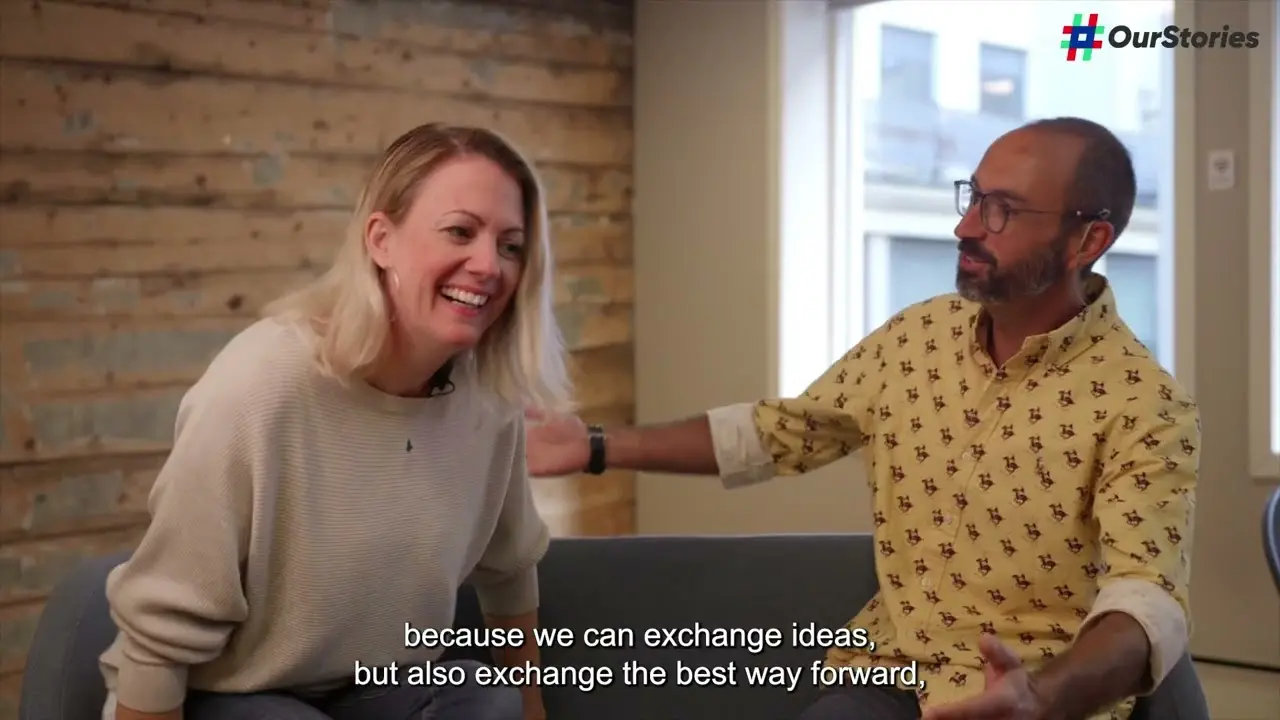
By clicking play, you agree to load content from YouTube. This may allow YouTube to collect data about your visit.
The Bilateral Fund
Strengthening bilateral relations is one of the main objectives of the EEA and Norway Grants, and the Bilateral Fund was the main instrument for achieving this in 2014–2021. Its flexible structure allowed partners to explore new themes, adapt to emerging priorities, and build durable institutional links, while enabling Donor Programme Partners to engage actively and help secure well-matched, effective partnerships.
Allocated at both national and programme level, the Fund supported partner matching, expert exchanges, study visits, workshops and other targeted activities that improved programme design and implementation. More than 1,600 bilateral initiatives took place across the funding period, demonstrating both high demand and the Fund’s versatility.
Findings from Fafo’s assessment “The Effects of the EEA and Norway Grants 2004–2021” (commissioned by the Norwegian Ministry of Foreign Affairs) underline how cooperation contributed to the Grants’ broader effects. Bilateral partnerships helped public bodies, research institutions and civil society organisations work with peers across Europe, strengthening capacity, institutional competence and long‑term networks in areas such as research, environment and climate, justice and home affairs, culture, and labour‑market governance.
Experience from the period highlights the importance of early partner involvement, clear role distribution and strong mutual commitment. Where timelines were compressed or administration complex, the Bilateral Fund’s flexibility helped partnerships adjust and stay focused on delivering results.
Overall, the Bilateral Fund transformed the Grants’ cooperation objective into practical, high‑value collaboration, improving policies and services while deepening long‑term ties between Donor and Beneficiary States.


Cooperation – Building partnerships across Europe
Cooperation has long been one of the defining characteristics of the EEA and Norway Grants and remains one of their strongest sources of added value. As one of the two main objectives of the Grants, bilateral cooperation brings together institutions, organisations and experts from Donor and Beneficiary States to share knowledge, strengthen capacity and address common European challenges. Beyond financial support, these partnerships build relationships, encourage mutual understanding, and reinforce the institutional foundations that underpin democratic governance, inclusion and long-term stability.
Cooperation within the Grants takes place at many levels. It includes strategic collaboration between national authorities, technical exchanges between public institutions, and joint work between civil society organisations, academia and specialist agencies. Programme-level partnerships—supported by Donor Programme Partners—play a central role, helping ensure that Donor-state expertise informs programme design and strengthens implementation from the outset. Cooperation with International Partner Organisations further enhances programme quality by bringing in specialised competence on democracy, human rights and governance—a theme explored in the following chapter.
Bilateral relations on the project level left its mark on the funding period. There were 1,274 Donor project partners, and 37.8% of funded projects included partners. Cooperation strengthened institutions through joint initiatives, knowledge exchange, and mutual learning, fostering sustainable results and long-term cross-border relationships across Beneficiary and Donor states together.
The Grants have also fostered a series of thematic networks that connect practitioners across borders and sectors. These networks support peer learning, knowledge exchange and long-term capacity building. Among the most significant is the Synergy Network, which convenes public authorities, civil society and service providers working to combat domestic and gender-based violence. Its regular meetings, shared resources, and coordinated guidance help countries strengthen prevention, victim support and prosecution, while facilitating alignment with European standards.
Together, these forms of cooperation create durable professional links, spread effective practices across countries and sectors, and help build the trust necessary for collective action. Cooperation is therefore not only a mechanism within the Grants—it is a core value that underpins their impact across Europe.
Project example

Stronger together
Bilateral relations, a term often heard in the corridors of diplomacy and international politics, may sound distant and abstract to most. However, when we unravel the intricate fabric of these relations, we discover the impact they have on our everyday lives. This is how the EEA and Norway Grants help transcend borders and tackle shared challenges across Europe—one partnership at a time.
Forms of cooperation
Donor Programme Partners
The Donor Programme Partners continued to be instrumental actors in the 2014–2021 mechanism. Despite major disruptions—including the COVID-19 pandemic, Russia’s warfare in Ukraine, and inflationary pressures—Donor Programme Partners maintained a high level of support to Programme Operators and contributed significantly to bilateral results. Targeted programmes and the use of bilateral funds proved especially effective for partner matchmaking and developing durable institutional links.
Many Donor Programme Partners reported that participation in the Grants strengthened their organisations’ international outlook and reinforced sector-specific networks in both Donor and Beneficiary States. In this context, Donor Programme Partners helped keep cooperation on track and supported steady progress during a demanding programme period.


Partnerships with international organisations
International Partner Organisation cooperation was a distinctive feature of the 2014–2021 EEA and Norway Grants, strengthening programme quality and alignment with European standards. Strategic partnerships were established with the Council of Europe, the European Union Agency for Fundamental Rights, and the Organisation for Economic Co-operation and Development (OECD) to provide expertise in democracy, human rights and good governance.
These organisations contributed with strategic advice, technical guidance and capacity-building support across numerous programmes and projects. The Council of Europe supported initiatives promoting rule of law and gender equality, while the European Union Agency for Fundamental Rights provided expertise on Roma inclusion and anti-discrimination policies. The OECD contributed to programme development and governance reforms, helping strengthen institutional capacity and policy effectiveness.
Cooperation occurred both at programme and project level. For example, the Fundamental Rights Agency supported Roma inclusion programmes in central and southern Europe, while international partners participated in high-level events and knowledge exchange platforms.
By integrating international expertise, International Partner Organisation cooperation enhanced policy impact, strengthened institutional capacity, and ensured that funded initiatives met international standards, reinforcing the Grants’ commitment to democratic values and effective governance across Europe.
Cooperation in practice
Cooperation was embedded across all programmes. By connecting Donor and Beneficiary States, it enhanced the design, implementation and impact of programmes and projects. Cooperation provided opportunities for partners to learn from each other, improve operational capacities, and develop sustainable solutions to common challenges.
Outcomes of cooperation
- Skills and capacity development: Cooperation built technical expertise, institutional capacity, and professional competencies across public authorities, non-governmental organisations (NGOs) and civil society actors.
- Trust and mutual understanding: Partnerships created relationships that fostered trust, collaboration and shared responsibility between Donor and Beneficiary States.
- Long-term networks: Connections formed through cooperative activities persisted beyond the duration of individual projects, enabling ongoing collaboration and knowledge exchange.
- Enhanced impact: Collaborative approaches strengthened the outreach, efficiency and sustainability of projects, helping countries address shared challenges effectively.
- Shared European values: Cooperation supported democracy, human rights, inclusion and social cohesion, contributing to stronger societies and resilient institutions.
