
Civil society
Image credits: CARDET
The Active Citizens Fund of the EEA and Norway Grants empowered organisations to protect rights, support vulnerable groups, and strengthen civic participation as a cornerstone of democratic societies.
Why civil society matters
Civil society organisations are essential to democratic resilience and social cohesion. They provide services to vulnerable groups, defend fundamental rights, foster civic participation, and hold institutions accountable. During the 2014–2021 EEA and Norway Grants period, support for civil society proved particularly important in contexts marked by political polarisation, shrinking civic space, institutional instability and major external crises, including the COVID-19 pandemic and the humanitarian consequences of Russia’s war against Ukraine. In several countries, independent organisations operated under increasing financial and political pressure. The Grants helped sustain pluralism, safeguard watchdog functions, and preserve civic infrastructure where it was most needed.
By clicking play, you agree to load content from YouTube. This may allow YouTube to collect data about your visit.
Impact at a glance
Over the 2014–2021 period, civil society funding strengthened hundreds of organisations and reached large numbers of citizens across urban and rural communities. Supported organisations delivered legal aid, social and educational services, and advocacy for Roma communities, persons with disabilities, LGBTQ+ individuals, women affected by gender-based violence, migrants, and refugees.
Projects contributed to policy debates, legislative improvements and stronger consultation mechanisms at local and national levels. Strategic litigation and watchdog initiatives reinforced access to justice, transparency and accountability. During the refugee influx and the pandemic, civil society actors provided rapid humanitarian and psychosocial support, often complementing or filling gaps in public systems.
Organisational grants, coaching, mentoring and training platforms significantly improved governance, financial management, and strategic planning capacities, increasing long-term resilience across the sector.

Cooperation beyond borders
Cooperation was a cornerstone of civil society support. Organisations from Donor and Beneficiary States established durable partnerships, exchanged expertise, and applied shared learning in areas such as human rights protection, participatory governance and environmental advocacy. Bilateral initiatives fostered mutual learning and long-term institutional relationships.
Through the Fund for Regional Civil Society Initiatives, Active Citizens Fund Operators promoted regional exchange and networking to reinforce the civil society sector across countries. A key outcome of regional cooperation was the establishment of the Community for Action, a structured platform bringing together 15 Active Citizens Fund Operators from 14 EU countries. Through regular thematic exchanges and joint discussions, the Community for Action connected over 900 civil society organisations and more than 1,300 participants, facilitating peer learning, joint reflection and coordinated responses to emerging challenges such as the COVID-19 pandemic and the war in Ukraine. The platform strengthened cross-border collaboration, amplified civil society voices at European level, and enhanced the capacity of national organisations to engage in policy dialogue and advocacy.
Civil society actors also engaged with European and international institutions, including the Fundamental Rights Agency, the Organization for Security and Co-operation in Europe (OSCE) and the Council of Europe, linking grassroots experience with broader policy frameworks and reinforcing common standards.


Navigating political and rule-of-law challenges
The Grants were implemented in dynamic and, at times, sensitive political environments. In Poland, when some regional authorities proposed “LGBT-free zone” resolutions, Donor States made clear that funding under the Grants was linked to principles of equality and non-discrimination. In one case, a project did not receive funding due to the persistence of local “LGBT-free zone” policies in Poland. In all other instances, funding was not withheld, as local authorities withdrew or reversed such plans, demonstrating how principled engagement can encourage dialogue and alignment with shared values and human rights. The last “LGBT-free zone” declarations in Poland were ultimately revoked in 2025.
In Hungary, implementation of the 2014–2021 Grants did not proceed due to the absence of agreement on the appointment of an independent civil society Fund Operator, as required by the Memorandum of Understanding between Hungary and the Donor States. As a result, no civil society or other programmes were implemented in Hungary during that period.
In some Beneficiary States, draft legislative initiatives raised concerns regarding the operating environment of civil society organisations. While these measures were not ultimately implemented, they highlighted the importance of continued dialogue, monitoring and principled engagement to safeguard civic space.
During the COVID-19 pandemic, governments often had to act quickly. Fast-tracked legislative procedures, designed to respond to the emergency, sometimes left little room to involve civil society in decision-making. At the same time, restrictions on physical gatherings prevented many forms of public engagement, with public consultation meetings being just one example of activities that could not take place in the same way as before the pandemic. Together, these factors significantly reduced opportunities for stakeholders to engage with policies that affected them.
This experience highlighted the importance of having strong and independent civil society actors who can continue to monitor policies, share information and contribute to public debate in times of crisis. It also underlined the need to equip these actors with the right tools, build mutual trust and allow flexibility so they can remain effective even under emergency conditions.
From challenge to change: Examples from the ground
Across Beneficiary States, civil society organisations faced a range of challenges, including political and legal pressures, administrative barriers, limited funding, and the impact of the COVID-19 pandemic and Russia’s war against Ukraine. In response, many strengthened cooperation with local authorities and community groups to build trust and expand their reach. Support from Donor-state partners helped introduce new approaches to advocacy and organisational development, while flexible funding enabled organisations to continue their work and respond to emerging needs during periods of crisis and uncertainty.

Creating space for belonging
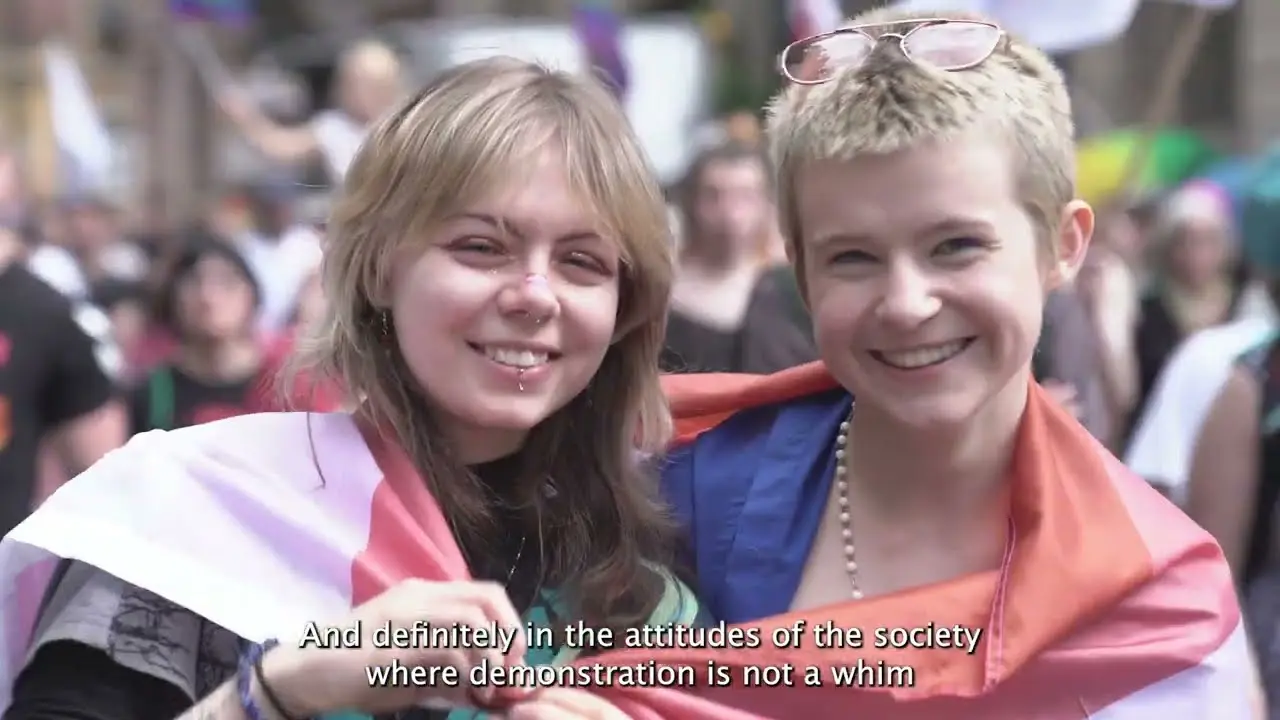
The Creating Space for Belonging initiative supported Polish LGBTQIA+ communities by countering discrimination, strengthening the right to assemble, and enabling families to thrive despite hostile policies. Backed by the Active Citizens Fund, it empowers local groups to defend equality and build inclusive, resilient communities across Poland.
By clicking play, you agree to load content from YouTube. This may allow YouTube to collect data about your visit.

Roma Policy Lab
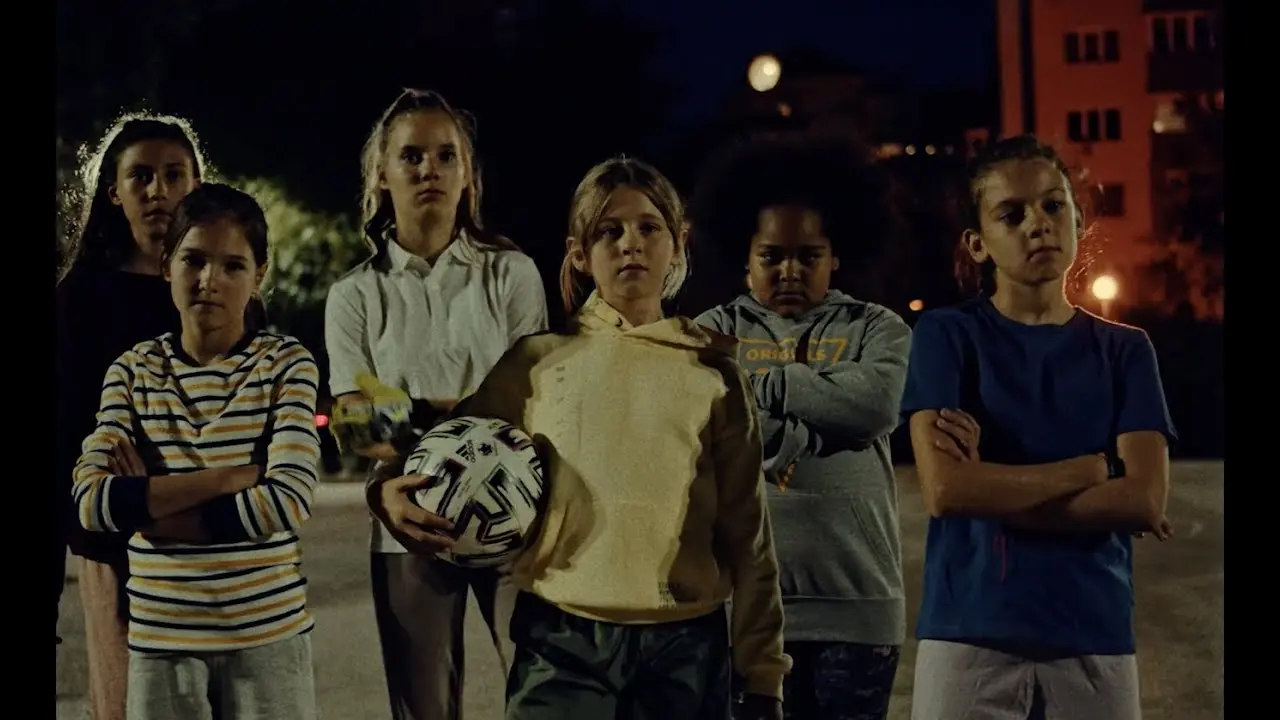
The Roma Policy Lab created a digital hub in Bulgaria that brings together best practices, project results, and expert insights on Roma inclusion. By mapping initiatives and fostering knowledge-sharing among civil society, experts and institutions, it strengthens cooperation and increases visibility for impactful inclusion efforts nationwide.
By clicking play, you agree to load content from YouTube. This may allow YouTube to collect data about your visit.

The CVAR Museum - shared history that resonates
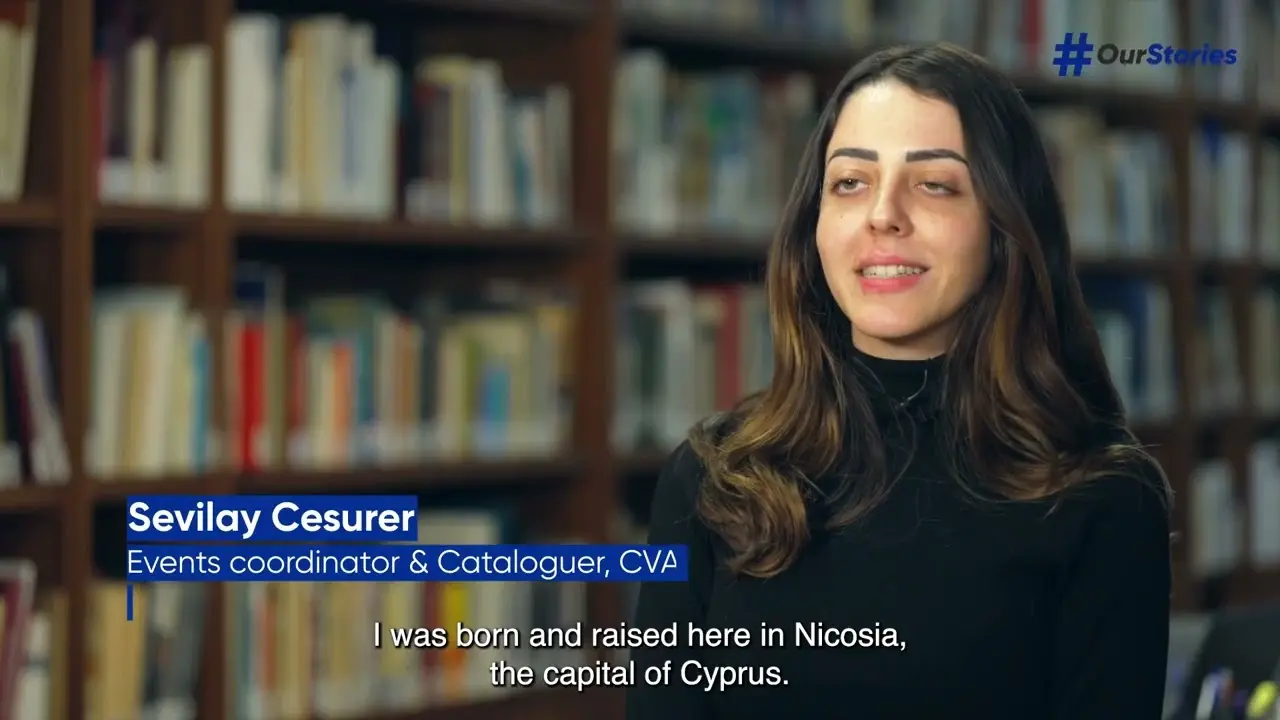
In divided Nicosia, Cyprus, the CVAR Museum uses art, archives and education to reconnect Greek Cypriot and Turkish Cypriot communities. Supported by the Active Citizens Fund, it hosts exhibitions and programmes that highlight shared history and encourage dialogue—helping rebuild trust and nurture peaceful coexistence on an island long marked by separation.
By clicking play, you agree to load content from YouTube. This may allow YouTube to collect data about your visit.

Everyone is a bit mad here
In the whimsical world imagined by Lewis Carroll, the Cheshire Cat famously said, “We’re all mad here”. Slovenia’s Museum of Madness brought this idea into the real world, challenging how society understands mental health and encouraging open, stigma-free conversations. With support from the EEA and Norway Grants, the project helped the Museum advance its mission: to present a modern, inclusive understanding of “madness”, free from taboos and no longer shaped by the legacy of institutionalisation.
Key takeaways
The 2014–2021 period showed that predictable, flexible and principled support for civil society is essential for democratic resilience. In contexts marked by political pressure, shrinking civic space and major external crises, the programme helped safeguard independent organisations and sustain pluralism.
Flexible tools, including organisational grants introduced during the COVID-19 pandemic, strengthened the financial stability and long-term resilience of civil society organisations. Combined with capacity building and networking, this support enabled organisations not only to continue their work, but also to influence policies, pursue advocacy and litigation, and expand services for vulnerable groups.
The programme demonstrated that civil society plays a structural role in democratic systems. Supported organisations contributed to legislative improvements, strengthened public consultation processes, and promoted accountability at local and national levels. During the pandemic and the war in Ukraine, they also provided rapid humanitarian and social support, often complementing public authorities.
Regional and bilateral cooperation enhanced knowledge sharing and innovation, while amplifying civil society voices at European level.
